Dia
En esta página encontrarás toda la información actualizada de Grupo Dia en el mundo


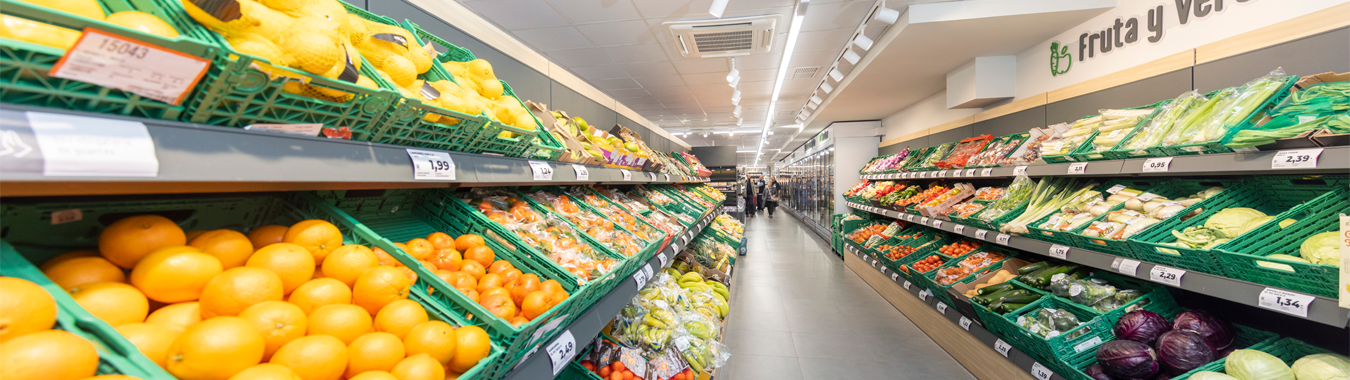
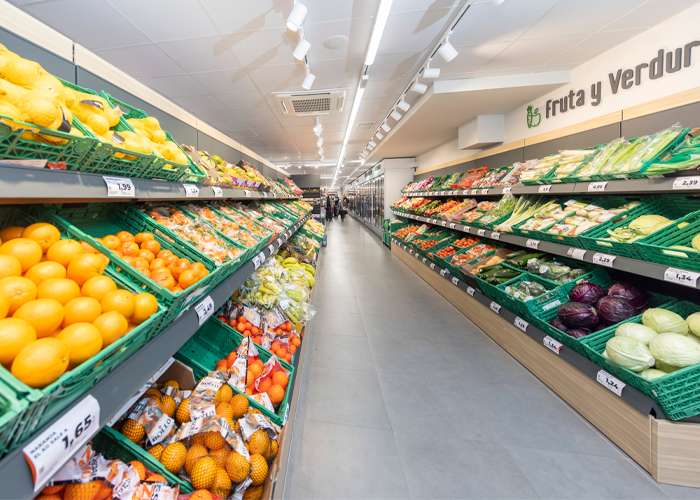
Grupo Dia’s trajectory spans over four decades of continuous innovation in the food retail sector. From introducing the discount format to the Iberian market in the early 1980s to consolidating an omnichannel proximity network across Spain and Argentina, the company continuously adapts to support its customers and simplify their evolving shopping habits.
2025
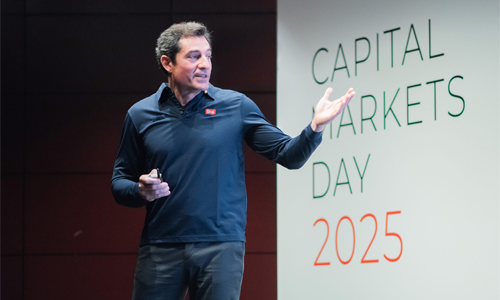
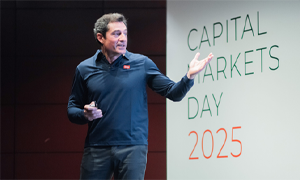
Grupo Dia presents its 2025–29 Strategic Plan, ‘Growing Every Day’, a five-year roadmap aimed at captivating customers through the evolution of its unique omnichannel proximity value proposition. The strategy rests on four core pillars whose synergistic combination will drive business growth and generate long-term value for all company stakeholders.
2024
Grupo Dia successfully concludes its restructuring (turnaround) process. Following portfolio simplification and refinancing completion, the company focuses commercial operations exclusively on markets where it generates maximum value. As a direct result, Grupo Dia consolidates its two primary high-profitability growth platforms: Spain and Argentina.


2022
The company enters an acceleration phase strongly oriented toward profitable growth. This new strategic milestone builds upon its primary competitive strength: customer proximity and a purpose-driven corporate culture centered on people.


2019
International industrial and investment group LetterOne completes its acquisition to become Grupo Dia’s majority shareholder, initiating a comprehensive restructuring and business transformation phase.

2011
Going public marks one of the most significant financial milestones in the organization’s history. After receiving approval from Carrefour’s General Shareholders’ Meeting for the final spin-off, the company debuts on the Madrid Stock Exchange on July 5, 2011. Grupo Dia shares begin trading at an official starting price of €3.50 per share.


2006
2007
Driven by evolving consumer demand, management redesigns its store offerings. This innovation process leads to the creation of specialized formats: Dia Market and Dia Maxi.


2001
The company opens its first supermarket in Brazil, adapting its business concept to emphasize proximity and customer closeness for the South American market.


1999
2000
A strategic international move results in Grupo Dia’s integration into the Carrefour Group corporate structure, strengthening the company’s supply chain and procurement logistics.


1998
The company pioneers retail loyalty strategies by launching the Club Dia Card, granting customers immediate discounts and savings from their first purchase. Consumers overwhelmingly adopt the program due to exclusive advantages such as personalized savings coupons.

1997
After consolidating its European presence, the multinational expands to the Americas with its first store opening in Argentina. Local consumers warmly welcome a commercial value proposition based on competitive prices and neighborhood store proximity.

1993
The company initiates its internationalization strategy outside Spain, starting operations in Portugal under the established Minipreço banner.


1989
The company opens its business model to independent entrepreneurs via commercial franchising. Through this self-employment system, local managers become brand ambassadors in the retail sector.


1984
The company officially develops its first corporate visual identity while launching its inaugural Dia private-label packaging, establishing its competitive advantage in price and quality.


1979
Grupo Dia opens its first store on Valderrodrigo Street in Saconia, Madrid. With this launch, the company introduces the discount retail format to Spain—a completely new and disruptive concept for consumers at the time.


